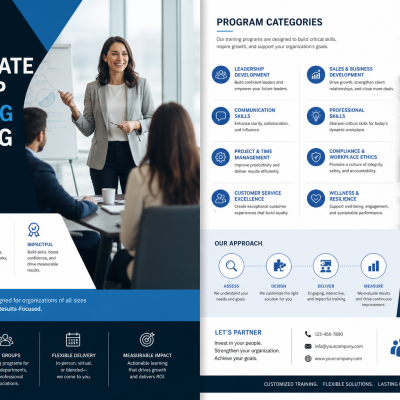
Change is an integral part of every successful organization, yet it often challenges both leaders and employees. The ability to lead positively during periods of change is not just about managing logistics or processes—it is about inspiring confidence, fostering resilience, and creating a culture where employees feel empowered to adapt. Leaders who embrace change with optimism can turn uncertainty into opportunity, helping their teams grow while ensuring the organization achieves its strategic goals.
Positive leadership during change focuses on mindset, behavior, and influence. Leaders who approach change with confidence and optimism are better positioned to guide teams through transitions, reduce anxiety, and maintain productivity. A leader’s attitude directly impacts team engagement; when leaders model resilience and adaptability, employees are more likely to embrace new initiatives, take ownership of their roles, and contribute to the organization’s success.
The Importance of Positive Leadership in Change
Leading with positivity is about more than maintaining a cheerful disposition. It is about fostering trust, encouraging collaboration, and motivating teams through uncertainty. Leaders who adopt a positive approach to change can:
- Inspire confidence in employees, helping them navigate uncertainty with resilience
- Build stronger connections and trust across teams, fostering engagement
- Encourage innovation and creative problem-solving during periods of transition
- Enhance team morale and reduce turnover during challenging initiatives
- Align teams with organizational goals through clear, optimistic communication
Positive leadership creates an environment where employees feel valued, supported, and motivated to contribute, even in the face of change. When teams experience this type of leadership, they are more likely to respond proactively, adapt quickly, and perform at higher levels.

Strategies for Leading Positively Through Change
Leaders can use the following strategies to cultivate positive leadership during times of change
Modeling Optimism and Resilience
- Maintain a solution-focused mindset, emphasizing opportunities rather than obstacles
- Demonstrate adaptability and a willingness to embrace new ideas and approaches
- Share personal experiences of overcoming challenges to inspire confidence and connection
Building Trust and Engagement
- Communicate transparently and consistently about changes, providing context and rationale
- Involve team members in decision-making processes where possible, fostering ownership and collaboration
- Recognize and celebrate achievements, both small and large, to maintain motivation
Supporting Teams Through Transition
- Provide resources, training, and support to help employees develop the skills needed for new initiatives
- Encourage open dialogue and feedback to identify challenges early and address concerns effectively
- Foster a culture of empathy, understanding that employees may experience change differently and may need varying levels of guidance
By integrating these strategies, leaders can create a positive environment that reduces resistance, builds engagement, and promotes successful adoption of change.
The Role of Emotional Intelligence in Positive Leadership
Emotional intelligence (EQ) is critical for leading effectively through change. Leaders with high EQ can understand their own emotions, recognize others’ emotions, and respond thoughtfully in challenging situations. In practice, this means:
- Recognizing when employees feel overwhelmed, uncertain, or disengaged
- Responding empathetically and providing support tailored to individual needs
- Maintaining composure and optimism, even when faced with resistance or setbacks
- Encouraging collaboration, trust, and inclusivity across teams
When leaders leverage emotional intelligence, they build a foundation for positive change. Employees feel heard, understood, and supported, which strengthens engagement, morale, and overall performance.

Common Challenges Leaders Face During Change
Leading through change is not without obstacles. Leaders often encounter challenges such as:
- Resistance to change due to fear of the unknown or perceived threats
- Miscommunication or information gaps that create confusion or mistrust
- Varying employee readiness or adaptability, requiring tailored support
- Maintaining productivity and engagement while implementing new initiatives
Positive leadership and emotional intelligence provide a roadmap for overcoming these challenges. By modeling optimism, providing resources, and fostering engagement, leaders can navigate these difficulties while keeping their teams aligned and motivated.
Practical Tips for Leading with Positivity
- Focus on Strengths – Highlight individual and team strengths, encouraging employees to leverage them in new situations
- Communicate Clearly – Provide consistent updates, set clear expectations, and articulate the benefits and rationale behind changes
- Encourage Autonomy – Empower employees to take ownership of tasks and decisions, fostering a sense of confidence and accountability
Leaders who apply these practices create an environment where employees feel empowered, supported, and motivated to embrace change.
Benefits of Positive Leadership During Change
Organizations that prioritize positive leadership experience tangible benefits, including:
- Higher employee engagement and morale
- Increased adaptability and resilience across teams
- Improved productivity and collaboration during transitions
- Reduced resistance and turnover
- Greater alignment with organizational goals and vision
Positive leadership is not just a personal trait; it is a strategic tool that ensures organizational change is successful and sustainable.
Conclusion
Leading through change requires more than operational planning; it requires a positive, empathetic, and strategic approach. Leaders who adopt positive leadership principles inspire confidence, foster resilience, and create a culture where employees feel empowered to adapt. By modeling optimism, practicing emotional intelligence, and providing guidance, leaders ensure their teams navigate change effectively, driving both individual and organizational success.
Skill Rise 360’s Empowered to Evolve: Positive Leadership Through Change course equips corporate professionals with the skills, strategies, and tools needed to lead confidently through change. Participants learn how to model optimism, foster engagement, leverage emotional intelligence, and inspire teams to embrace transformation with confidence, ensuring successful outcomes and a resilient workforce.
FAQ: Empowered to Evolve: Positive Leadership Through Change
Q1: Why is positive leadership necessary during change?
Positive leadership fosters confidence, trust, and engagement, helping teams navigate uncertainty and adapt effectively.
Q2: How can leaders cultivate positivity during transitions?
Through modeling optimism, communicating transparently, celebrating successes, and empowering employees to take ownership.
Q3: What role does emotional intelligence play in leading change?
Emotional intelligence enables leaders to understand and respond to emotions, build trust, and support employees during challenging periods.
Q4: What challenges can arise without positive leadership?
Teams may experience resistance, low engagement, confusion, and decreased productivity, hindering the successful adoption of change.
Q5: How does training support leaders in positive change leadership?
Training provides practical strategies, tools, and exercises to enhance optimism, emotional intelligence, and team engagement, ensuring leaders can guide change effectively.