Effective leadership in today’s fast-paced business environment requires more than operational competence; it demands a strategic mindset. Leaders who think strategically can anticipate challenges, identify opportunities, align resources, and make decisions that drive long-term success. Developing this mindset enables leaders to move beyond day-to-day management and create a vision that inspires teams, drives innovation, and positions the organization for sustainable growth.
A strategic mindset is not innate; it is cultivated through intentional practices, continuous learning, and self-awareness. Leaders must analyze complex business landscapes, understand market trends, and anticipate the implications of decisions on both the organization and its stakeholders. Developing strategic thinking requires a combination of reflection, experience, and exposure to diverse perspectives, helping leaders to consider the bigger picture while making tactical choices.
Strategic leaders also understand that leadership is about influence as much as it is about authority. They recognize that building trust, fostering collaboration, and creating a culture of accountability are critical for implementing strategies successfully. Without a strategic mindset, leaders risk making reactive decisions, missing opportunities, and failing to align team efforts with organizational goals.
Key Elements of a Strategic Mindset
Developing a strategic mindset involves cultivating a range of cognitive, behavioral, and organizational skills. Leaders should focus on the following elements:
- Vision and Forward Thinking
- Anticipate future trends and potential disruptions in the industry. This includes understanding technological changes, shifts in customer behavior, and evolving regulatory environments.
- Establish a clear vision that aligns with organizational goals, ensuring that every decision supports the broader strategic direction.
- Translate long-term objectives into actionable plans, breaking down complex goals into manageable tasks for teams.
- Analytical and Critical Thinking
- Evaluate complex information to make informed decisions. Leaders must synthesize data, insights, and feedback to identify patterns and potential outcomes.
- Identify opportunities and potential risks, balancing optimism with a realistic understanding of constraints.
- Apply data-driven insights to strategic planning, integrating both quantitative and qualitative analysis to guide decision-making.
- Adaptability and Problem-Solving
- Adjust strategies as new information emerges, remaining flexible in a dynamic business environment.
- Balance short-term demands with long-term objectives, ensuring operational efficiency does not compromise strategic goals.
- Encourage innovation and creative solutions across teams, fostering a culture where experimentation and calculated risk-taking are supported.
Leaders who cultivate these skills are better equipped to navigate uncertainty, make proactive decisions, and guide their organizations toward sustained success.

Why Developing a Strategic Mindset Matters
Organizations led by strategic thinkers are better positioned to respond to disruption, outperform competitors, and seize growth opportunities. A strategic mindset allows leaders to:
- Align team efforts with the organization’s long-term vision, improving coherence and efficiency.
- Make proactive decisions rather than reacting to events, reducing the likelihood of missed opportunities.
- Communicate purpose and direction effectively, inspiring teams to contribute meaningfully.
- Anticipate challenges before they become crises, creating contingency plans and mitigating risks.
Leaders who neglect strategic thinking may find themselves overwhelmed by day-to-day operational demands, unable to focus on long-term planning. This reactive leadership approach can result in fragmented initiatives, misaligned priorities, and missed growth opportunities.
Strategies for Developing a Strategic Mindset
Practical approaches to developing a strategic mindset combine reflection, learning, and real-world application:
- Scenario Planning and Forecasting
Engage in scenario planning to anticipate potential challenges and opportunities. This involves imagining multiple futures and determining how different actions would play out in each scenario, helping leaders prepare for uncertainty. - Seeking Diverse Perspectives
Incorporate input from a range of stakeholders, including employees, customers, and industry experts. Diverse perspectives enhance decision-making and help leaders avoid blind spots or biases. - Continuous Learning
Stay informed about industry trends, emerging technologies, and evolving market conditions. Leaders must embrace a growth mindset, recognizing that learning is an ongoing process. - Encouraging Strategic Thinking Across Teams
Foster a culture of strategic thinking by mentoring, coaching, and encouraging team members to contribute ideas and solutions that align with organizational objectives. - Reflective Practices
Allocate time for reflection and assessment of long-term goals versus short-term demands. Reflective leaders are better able to evaluate past decisions, understand lessons learned, and apply insights to future planning.
By implementing these strategies, leaders can strengthen their ability to think strategically, align resources effectively, and drive meaningful organizational outcomes.
Practical Examples of Strategic Thinking in Action
- Market Expansion Decisions – A leader with a strategic mindset evaluates potential markets by analyzing competitive dynamics, customer needs, and regulatory environments, rather than relying solely on intuition.
- Crisis Response – During unexpected events, strategic leaders assess multiple response options, weigh long-term implications, and implement solutions that protect both the organization’s reputation and operational stability.
- Innovation Initiatives – Leaders prioritize projects that align with the company’s vision, balance risk with potential rewards, and allocate resources to initiatives with the most significant strategic impact.

The Role of Emotional Intelligence in Strategic Leadership
Emotional intelligence (EQ) is a critical component of a strategic mindset. Leaders with high EQ can read organizational culture, understand team dynamics, and anticipate the impact of decisions on stakeholders. Emotional intelligence enhances a leader’s ability to:
- Communicate vision and strategy effectively, gaining buy-in from teams.
- Resolve conflicts constructively, maintaining alignment with organizational goals.
- Inspire and motivate employees, fostering engagement and accountability.
By combining strategic thinking with emotional intelligence, leaders create a holistic approach that balances analytical decision-making with human-centric leadership.
The Impact of a Strategic Mindset on Leadership
Leaders with a strategic mindset can:
- Make proactive, rather than reactive, decisions.
- Enhance team alignment and engagement by communicating vision clearly.
- Identify and capitalize on opportunities faster than competitors.
- Navigate uncertainty with confidence and resilience.
- Drive innovation and foster a culture of continuous improvement.
Cultivating this mindset not only improves individual leadership effectiveness but also strengthens overall organizational performance and competitiveness.
Conclusion
Developing a strategic mindset is essential for leaders seeking to navigate complex business environments and achieve sustainable success. By combining vision, critical thinking, adaptability, emotional intelligence, and proactive planning, leaders can guide their organizations toward long-term goals while inspiring teams to perform at their best. Strategic thinking transforms decision-making, enhances problem-solving, and fosters innovation, creating a leadership approach that drives both immediate results and future growth.
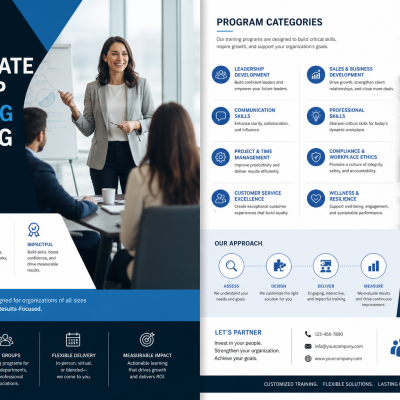
Skill Rise 360’s Developing a Strategic Mindset for Leaders course equips corporate professionals and emerging leaders with practical tools, strategies, and exercises to cultivate strategic thinking. Participants learn to analyze complex situations, anticipate challenges, and create actionable plans that align with organizational objectives, ultimately strengthening their leadership impact.
FAQ: Developing a Strategic Mindset for Leaders
Q1: What is a strategic mindset in leadership?
A strategic mindset involves forward-thinking, analytical decision-making, and the ability to align actions with long-term organizational goals.
Q2: Why is developing a strategic mindset necessary?
It enables leaders to anticipate challenges, identify opportunities, make informed decisions, and guide their organizations toward sustainable success.
Q3: How can leaders develop a strategic mindset?
Through scenario planning, seeking diverse perspectives, continuous learning, reflection, and fostering strategic thinking within teams.
Q4: What impact does a strategic mindset have on teams?
It enhances alignment, engagement, and innovation by providing clarity, direction, and a proactive approach to challenges.
Q5: How does training support strategic mindset development?
Structured courses provide tools, exercises, and frameworks that help leaders practice strategic thinking and apply it effectively in real-world situations.